Objective:
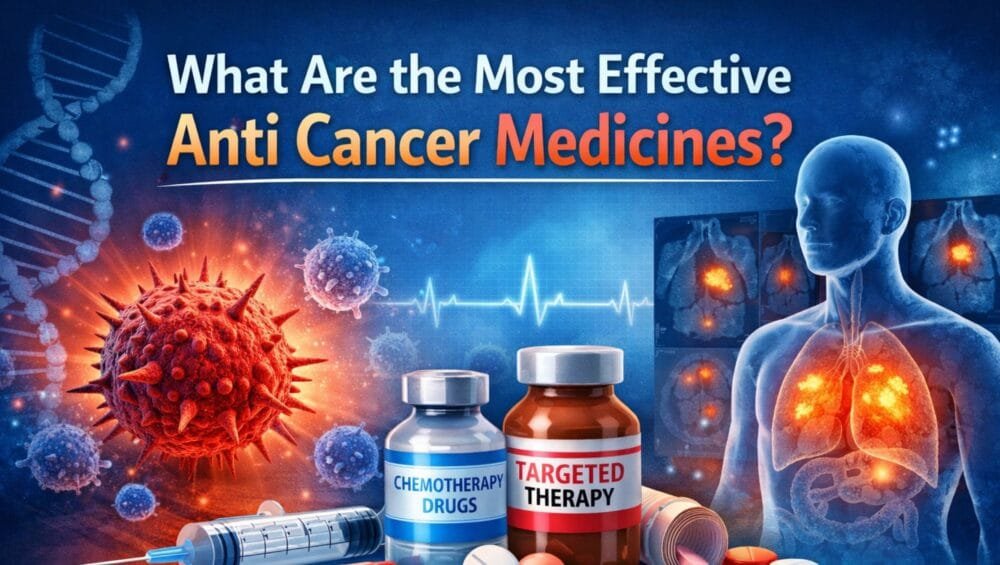
This blog aims to provide clear, reliable information about the most effective anti cancer medicines available today. Whether you are a patient, caregiver, healthcare professional, or business stakeholder, this guide will help you understand how these medicines work, their benefits, and why choosing trusted manufacturers like Global Pharma Hub is essential for safe, affordable, and accessible cancer treatment worldwide.
Introduction
Receiving a cancer diagnosis can be like walking into an unpleasant maze. Patients, caregivers, and even medical professionals frequently struggle to make sense of the deluge of information, treatment options, and medical jargon. Which medications are the most effective is one of the most important questions.
There is no one-size-fits-all approach to cancer treatment. Therapy must be carefully considered and customized for each form of cancer, stage, and patient’s health. Patients can make better judgments and healthcare practitioners and distributors can choose the best products if they know which anti-cancer medications are effective and how they operate.
In this article, we’ll unpack the most effective anti cancer medicines used globally, spotlight trusted options from Global Pharma Hub, and offer practical insights to help you navigate treatment and procurement decisions with confidence.
Understanding Anti Cancer Medicines: How Do They Work?
Before diving into specific medicines, it’s important to understand the basics of how anti cancer drugs fight the disease.
Cancer cells multiply uncontrollably, evade normal cell death, and spread through the body. Anti cancer medicines are designed to interrupt these processes in different ways, including:
- Stopping cell division: Many drugs halt the rapid multiplication of cancer cells, essentially putting the brakes on tumor growth.
- Triggering cancer cell death (apoptosis): Some medicines signal cancer cells to self-destruct.
- Blocking growth signals: Certain drugs prevent cancer cells from receiving the chemical messages they need to grow.
- Supporting the immune system: Emerging therapies help your immune system identify and attack cancer cells more effectively.
Modern treatment often involves combining medicines that work through different mechanisms, creating a multi-pronged attack on the cancer while managing side effects.
Most Effective Anti Cancer Medicines Available Today
Here are some of the most trusted and effective anti cancer medicines that doctors use, with examples of how they fit into treatment regimens:
1. Bdenza 40mg Capsules
Bdenza is a targeted therapy, often prescribed for cancers that rely on hormone signals or cellular communication to grow.
- How it works: Bdenza blocks these signals, slowing down tumor progression.
- When it’s used: Typically for hormone-responsive cancers, often alongside other medicines.
- Patient benefit: bdenza 40mg tends to have fewer side effects compared to traditional chemotherapy, making it a preferred option in combination therapies.
2. Rituxirel 100mg
Rituxirel is a monoclonal antibody, a class of medicines that precisely target cancer cells.
- How it works: Rituxirel 100mg binds to specific proteins on lymphoma and certain blood cancer cells, marking them for destruction by the immune system.
- When it’s used: Mainly for non-Hodgkin lymphoma and related blood cancers.
- Patient benefit: Because it targets cancer cells specifically, healthy cells are spared, resulting in fewer side effects.
3. Zoledronic Acid (Zoltero) 4mg Injection
When cancer spreads to bones—a condition known as bone metastasis—patients face pain and fracture risks. Zoledronic Acid is a key medicine in managing these complications.
- How it works: Zoledronic Acid (Zoltero) 4mg Injection slows down bone breakdown, reducing pain and strengthening bones.
- When it’s used: For cancers that have spread to bone, especially breast, prostate, and lung cancers.
- Patient benefit: Improved mobility and quality of life during treatment.
4. Zoladex LA 10.8mg / 3.6mg Injection
Zoladex is a hormonal therapy used mainly in hormone-sensitive breast and prostate cancers.
- How it works: It lowers hormone levels (like estrogen or testosterone) that some cancers depend on for growth.
- When it’s used: For hormone-responsive cancers, often as part of a long-term management plan.
- Patient benefit: Non-surgical and reversible hormone control, which can delay cancer progression.
5. Xtane 25mg Tablet / Xtandi 40mg Capsule
Xtane medicines are powerful anti-androgen drugs that block the effects of male hormones fueling prostate cancer.
- How it works: They bind to androgen receptors, preventing hormones from stimulating cancer growth.
- When it’s used: For advanced or metastatic prostate cancer.
- Patient benefit: They help extend survival and improve life quality.
6. Xylutide 40mg Capsule
Xylutide interferes with cellular signaling pathways that certain tumors use to thrive.
- How it works: By blocking these pathways, it slows tumor growth.
- When it’s used: Often combined with other anti cancer medicines in treating solid tumors.
- Patient benefit: Enhances overall treatment effectiveness when part of combination therapy.
Choosing the Right Anti Cancer Medicine: What Matters?
Picking the right medicine isn’t just about what’s available—it’s about what fits the patient’s unique needs:
- Cancer type and biology: Hormone therapies work well for hormone-sensitive cancers, while monoclonal antibodies target specific blood cancers.
- Stage of disease: Early-stage cancers may be managed differently than late-stage or metastatic cancers.
- Side effect tolerance: Some patients may prioritize fewer side effects, opting for targeted therapies over chemotherapy.
- Combination potential: Medicines that work well together offer more treatment options.
- Access and affordability: Reliable supply chains and cost-effective options ensure patients don’t have to compromise on care.
Doctors balance these factors to create personalized plans, and healthcare buyers seek suppliers who offer quality and consistency.
Overcoming Challenges in Cancer Treatment Access
Cancer treatment faces hurdles beyond the biology of the disease:
- High costs: Advanced medicines can be prohibitively expensive, especially without generic alternatives.
- Supply shortages: Manufacturing delays or regulatory hurdles can restrict access, especially in remote or developing regions.
- Managing side effects: Treatment often involves discomfort and risks, requiring comprehensive patient support.
- Long-term therapy: Cancer may recur, necessitating ongoing medication adjustments.
Global Pharma Hub is committed to addressing these by producing quality anti cancer medicines at affordable prices and ensuring steady supply through strong logistics networks worldwide.
Why Partner with Global Pharma Hub?
For distributors, healthcare providers, and patients, choosing a pharmaceutical partner matters just as much as choosing the medicine.
- Proven Quality: Global Pharma Hub follows strict manufacturing standards (like WHO-GMP and US FDA compliance), guaranteeing safe and effective medicines.
- Wide Range: From hormone therapies to monoclonal antibodies and supportive care medicines, they provide options for various cancer types and stages.
- Affordability: By focusing on cost-effective production, Global Pharma Hub makes treatment accessible to more patients worldwide.
- Reliable Supply Chain: Their global logistics expertise ensures medicines arrive on time, supporting uninterrupted treatment.
Choosing Global Pharma Hub means you’re backed by a company focused on improving cancer care globally.
Practical Insights for Patients and Caregivers
If you or a loved one is starting cancer treatment, here are some tips to keep in mind:
- Ask your doctor about targeted therapies. These often have fewer side effects and can be very effective for certain cancers.
- Understand the purpose of each medicine. Some drugs attack the cancer directly, others help manage symptoms or side effects.
- Keep track of side effects. Communicate openly with your healthcare team to manage any discomfort promptly.
- Explore assistance programs. Many manufacturers, including Global Pharma Hub, support patient assistance initiatives to help with costs.
- Stay informed about your treatment plan. Understanding your medicines empowers you to be an active partner in your care.
Key Takeaways
- Anti cancer medicines work by stopping cell growth, causing cancer cell death, or blocking hormones and signals.
- Targeted therapies like Rituxirel and Bdenza offer precise cancer-fighting effects with fewer side effects.
- Supportive medicines like Zoledronic Acid help manage pain and complications from bone metastases.
- Hormone therapies such as Zoladex and Xtandi play vital roles in prostate and breast cancer management.
- Partnering with trusted manufacturers like Global Pharma Hub ensures access to safe, affordable, and reliable cancer medicines.
Frequently Asked Questions (FAQs)
- How do anti cancer medicines differ from chemotherapy?
While chemotherapy targets all rapidly dividing cells, anti cancer medicines include targeted therapies that zero in on cancer cells specifically, reducing damage to healthy tissues. - Can these medicines cure cancer?
Some cancers can be cured, while others are managed long-term. Effective medicines help control cancer growth, improve symptoms, and extend survival. - Are generic anti cancer medicines as good as brand-name ones?
Yes, as long as they meet regulatory quality standards. Generics offer affordable, effective options. - How do patients access these medicines globally?
Trusted companies like Global Pharma Hub supply quality medicines worldwide, with international shipping and support for healthcare providers. - What should patients expect during treatment?
Treatment varies, but patients may experience side effects like fatigue or nausea. Supportive care and open communication with doctors help manage these.
Conclusion: Hope Through Access and Innovation
Cancer treatment is evolving rapidly, with medicines becoming more precise and effective every year. Knowing which anti cancer medicines work best can empower patients, caregivers, and healthcare professionals to make the right choices.
Medicines like Bdenza, Rituxirel, Zoladex, Xtandi, and Zoledronic Acid are powerful tools in this fight. But beyond innovation, ensuring that these medicines reach patients affordably and reliably is crucial.
That’s why partnering with trusted suppliers like Global Pharma Hub matters—bringing quality medicines from India to the world, improving lives one treatment at a time.